
Is Your Household Really Prepared?
From everyday disruption to national emergencies: why household preparedness is becoming everyone's responsibility.
By Clive White, CEO, IsEveryoneSafe Ltd (a Neighbourhood Watch partner)
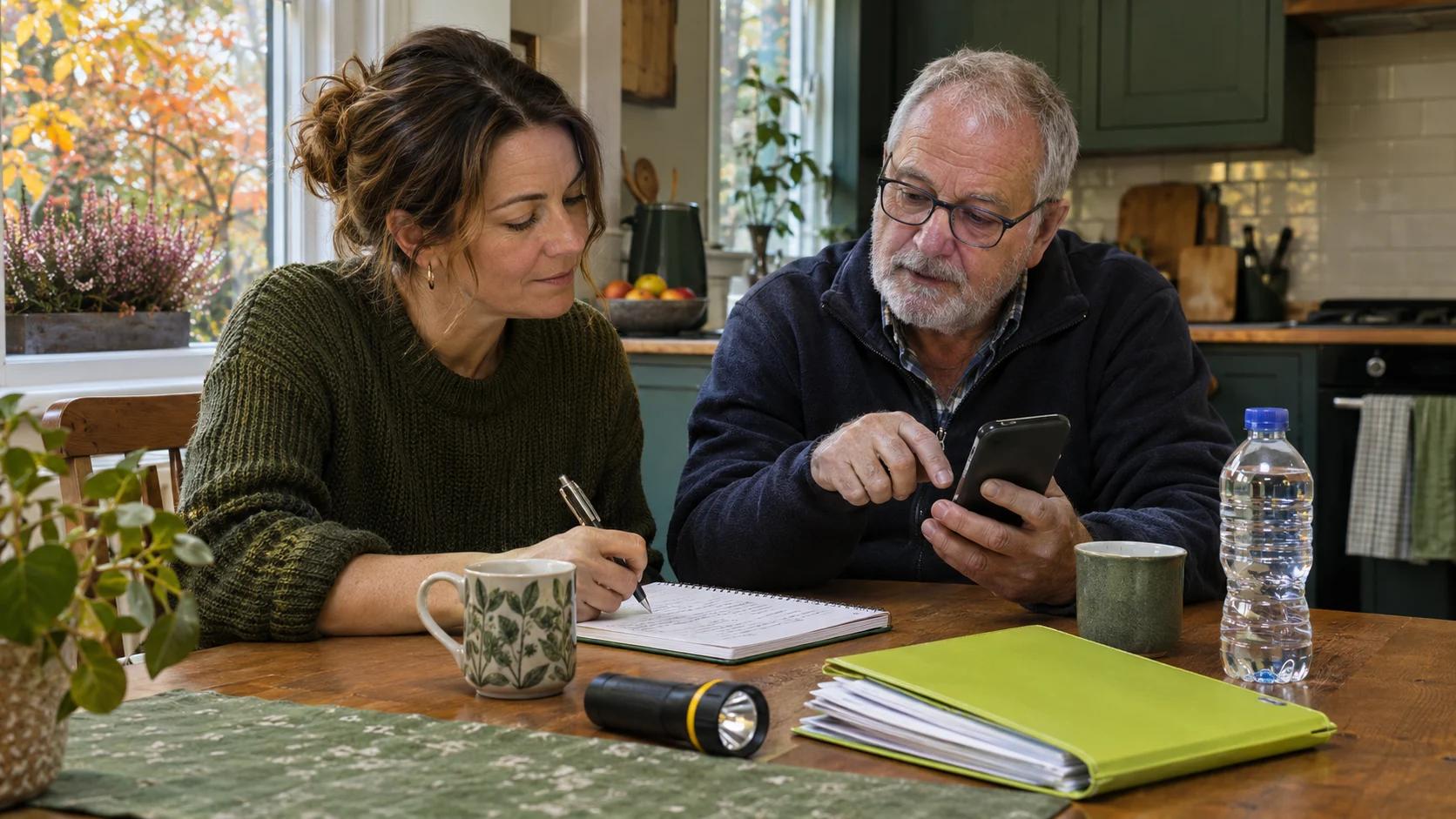
We lock our doors, insure our homes and look out for our neighbours, but how prepared are we when something actually goes wrong?
For the 2.3 million members of Neighbourhood Watch across England and Wales, protecting our homes, families and communities is already part of everyday life. Yet there is a growing question we should all be asking: Are we as prepared for disruption as we think we are?
The risks facing households are changing. A stolen phone, a burst pipe, a family medical emergency or a burglary can turn an ordinary day upside down. Beyond these familiar challenges, extreme weather, cyberattacks, prolonged power outages and geopolitical instability introduce risks that can disrupt essential services, communications and everyday life – this month’s bomb threats impacting international flight travel across Europe is just one recent example.
Preparedness is not about expecting the worst. It is about making sure that, when something unexpected happens, the people we care about know what to do, where to find essential information and who they can turn to.
The UK Government's 2026 research reveals a preparedness gap
The Cabinet Office's UK Public Survey of Risk Perception, Resilience and Preparedness 2026, involving 10,791 adults, presents a compelling picture of growing concern but limited household readiness.
68% expect more emergencies and disasters over the next decade.
50% feel their household is only slightly prepared or not prepared at all.
13% consider their household largely or totally prepared.
The research also found that 42% considered a cyberattack on critical infrastructure (e.g. provision of water, energy, payment services or telecoms) likely in their area within two years, while perceived likelihood of war affecting their local area rose from 19% in 2025 to 28% in 2026. These are public perceptions, not forecasts, but they underline a changing national mindset.
The central challenge is not simply awareness of risk. It is turning that awareness into practical household readiness.
Seven questions every household should ask themselves today
Take a moment to consider these questions. How many could you confidently answer today? By completing these seven questions online here, you could be one of 5 lucky winners of a free 12-month IsEverythingSafe subscription.
A postcode is required for survey purposes. Prize draw entry is optional and requires an email address after completing the questionnaire.
Open to UK residents aged 18 or over. No purchase required. Entries close 31 December 2026 at 23:59 UK time; winners announced by 31 January 2027. Full prize draw terms.
| Household Risk Scenario | How IsEverythingSafe can help |
|---|---|
| 1. If your phone disappeared tomorrow, could you still find essential contacts, accounts and documents? | Secure Vault and Important Accounts keep critical information organised and accessible through authorised devices. |
| 2. If someone in your family was hospitalised, would others know their medical details, care arrangements and who to contact? | Safety Network and Medical Details bring important care information and trusted contacts together. |
| 3. If your home was burgled or flooded, could you quickly identify your belongings and provide evidence for an insurance claim? | Household Register stores photographs, receipts and ownership details. |
| 4. If power, water or communications were disrupted for 72 hours, would everyone know what to do and what supplies were available? | Plans, Tasks and Calendar help organise preparations, assign responsibilities and schedule checks. |
| 5. If severe weather or a major incident threatened your area, would you know where to find reliable information? | Trusted Alerts bring together relevant official weather, flood and disruption warnings. |
| 6. If you were suddenly unavailable, could someone you trust keep your household running? | Shared Access gives nominated people permission-controlled access to essential records. |
| 7. If an elderly parent or vulnerable neighbour needed support, would you have the information and arrangements to help? | Caring Journal and trusted contacts support coordinated care and updates for people you look after. |
Note: Digital records complement, rather than replace, offline emergency supplies and plans.
From safer households to stronger communities
Neighbourhood Watch has always recognised that safer communities begin with people looking out for one another. Household preparedness extends that principle: being organised enough to look after ourselves, resilient enough to manage disruption and connected enough to support others.
Imagine the collective impact if 2.3 million Neighbourhood Watch members each took one practical step towards greater preparedness.
The opportunity is not to create fear, but to build confidence and resilience, one household at a time.
Your next step: Spend ten minutes assessing your household's readiness. Identify one gap and take action today. IsEverythingSafe helps turn that intention into practical everyday organisation, shared responsibility and greater household resilience.
Take the household preparedness survey.
IsEveryoneSafe is a partner of the Neighbourhood Watch network and as a supporter, you are eligible for a year one discount to IsEverythingSafe, details can be found here.
Source: UK Cabinet Office, UK Public Survey of Risk Perception, Resilience and Preparedness 2026, published 19 August 2026. Read the official findings
Take the household preparedness survey
Answer seven Yes/No questions and provide your postcode for survey purposes. See your next steps, then optionally add your email to enter the prize draw.


